
Porcelain vs. Ceramic vs. Stone Tiles – Choosing the Right Material for Your Home in Vancouver
Table of Contents
- Introduction: Why Tile Choice Matters in Vancouver
- Understanding Vancouver's Climate Challenges for Tile Selection
- Porcelain Tiles: The Modern Champion of Durability
- Ceramic Tiles: The Budget-Friendly Classic
- Natural Stone Tiles: Timeless Elegance with Character
- Comparative Analysis: Making the Right Choice for Vancouver Living
- Comparison Table: Quick Reference Guide
- Room-by-Room Selection Guide for Vancouver Homes
- Maintenance Requirements and Long-Term Care
- Making Your Final Decision: A Vancouver Homeowner's Checklist
- Conclusion: Partner with Vancouver's Tile Experts
Introduction: Why Tile Choice Matters in Vancouver
When it comes to selecting the perfect tiles for your Vancouver home, the choice between porcelain, ceramic, and natural stone can feel overwhelming. Each material offers unique benefits, aesthetic possibilities, and performance characteristics that can dramatically impact your living space for decades to come. Whether you're renovating a West Coast contemporary home in Kitsilano or updating a heritage property in Mount Pleasant, understanding these differences is crucial for making an informed decision that suits both your lifestyle and Vancouver's unique climate.
Understanding Vancouver's Climate Challenges for Tile Selection
Vancouver's temperate oceanic climate presents specific challenges that homeowners must consider when selecting tile materials. With average annual rainfall exceeding 1,200mm and winter temperatures occasionally dipping below freezing, moisture resistance becomes paramount. The city's proximity to the Pacific Ocean also means dealing with higher humidity levels year-round, which can affect certain tile materials differently.
The frequent temperature fluctuations between seasons – from wet, mild winters to warm, dry summers – create expansion and contraction cycles that test the durability of flooring materials. Additionally, Vancouver homes often feature radiant heating systems, requiring tiles that conduct heat efficiently while maintaining structural integrity. Understanding how each tile type responds to these environmental factors will help ensure your investment stands the test of time while maintaining its beauty.
Porcelain Tiles: The Modern Champion of Durability
Porcelain tiles have revolutionized the flooring industry with their exceptional performance characteristics and versatility. Made from refined clay fired at temperatures exceeding 1,200°C, porcelain tiles achieve a density and hardness that sets them apart from other options. With less than 1% water absorption, porcelain is not prone to staining from chemicals, acids, salts, moss or mildew, making it an ideal choice for Vancouver's damp climate.
Technical Specifications and Performance
The manufacturing process of porcelain tiles involves pressing dry clay dust under extreme pressure before firing, resulting in a product that's virtually impervious to moisture. This low porosity means porcelain tiles won't crack during Vancouver's freeze-thaw cycles, a common concern for outdoor installations. Porcelain has been tested in Scandinavian countries with temperatures ranging from -50°C to +60°C, proving its resilience in extreme conditions far beyond what Vancouver experiences.
Key advantages of porcelain tiles:
- Water absorption rate: Less than 0.5% (virtually waterproof)
- Hardness rating: 7-8 on the Mohs scale
- Lifespan: 50+ years with proper installation
- Frost resistance: Suitable for outdoor use in all climates
- Stain resistance: Non-porous surface resists all common household stains
Modern porcelain tiles can mimic virtually any material – from exotic hardwoods to rare marbles – thanks to advanced digital printing technology. This versatility allows homeowners to achieve the look of natural materials without the associated maintenance requirements. The color and pattern run through the entire thickness of full-body porcelain tiles, meaning chips and wear are less noticeable over time.
Cost Considerations for Porcelain in Vancouver
When budgeting for porcelain tile installation in Vancouver, expect to invest between $8 to $21 per square foot for professional installation, with materials ranging from $3 to $15 per square foot depending on quality and design complexity. While the initial investment may be higher than ceramic, porcelain's longevity and minimal maintenance requirements often result in lower total cost of ownership over 20-30 years.
Premium porcelain tiles featuring advanced textures, large formats, or specialty finishes can push costs higher, but these investments typically translate to increased home value. Vancouver's competitive real estate market particularly values quality flooring materials that can withstand the local climate while maintaining aesthetic appeal.
Ceramic Tiles: The Budget-Friendly Classic
Ceramic tiles have graced homes for millennia, and their enduring popularity stems from an excellent balance of affordability, beauty, and functionality. Ceramic tiles are more affordable, easier to cut, and great for walls, backsplashes, and low-moisture spaces, making them a practical choice for many Vancouver homeowners working within budget constraints.
Manufacturing and Characteristics
Unlike porcelain, ceramic tiles are made from less refined clay and fired at lower temperatures, typically around 1,000°C. This results in a more porous product with water absorption rates between 3-7%. While this higher porosity makes ceramic less suitable for outdoor applications in Vancouver's climate, it also makes the tiles easier to cut and install, potentially reducing labor costs.
Ceramic tile specifications:
- Water absorption: 3-7% (requires glazing for moisture areas)
- Weight: 30% lighter than porcelain
- Cutting ease: Can be cut with standard tile cutters
- Price point: 40-60% less expensive than porcelain
- Design flexibility: Unlimited glazing options for colors and patterns
The glazed surface of ceramic tiles provides the waterproofing and design elements, offering countless color and pattern options. However, this means that chips can be more noticeable, as the clay body underneath typically differs in color from the surface glaze. For low-traffic areas like bathroom walls or kitchen backsplashes, this limitation rarely presents problems.
Ideal Applications in Vancouver Homes
Ceramic tiles excel in interior applications where moisture exposure is limited and controlled. They're perfect for powder room floors, kitchen backsplashes, and accent walls where their decorative potential can shine without excessive wear concerns. In Vancouver's many character homes, ceramic tiles can provide period-appropriate designs that complement heritage features while staying within renovation budgets.
The material's thermal properties make ceramic tiles comfortable underfoot in climate-controlled spaces, though they may feel cooler than porcelain when used with radiant heating systems. This characteristic can actually be advantageous in south-facing Vancouver homes that receive substantial solar gain during summer months.
Installation and Maintenance Economics
Professional installation of ceramic tiles in Vancouver typically ranges from $5 to $12 per square foot, making it one of the most budget-friendly options for tile flooring. The ease of cutting and handling ceramic tiles can also make them suitable for confident DIY installers, potentially saving thousands on labor costs for larger projects.
Maintenance involves regular cleaning with pH-neutral cleaners and periodic resealing of grout lines – a particularly important consideration in Vancouver's humid environment. While ceramic tiles themselves are relatively low-maintenance, the grout requires attention to prevent mold and mildew growth common in Pacific Northwest homes.
Natural Stone Tiles: Timeless Elegance with Character
Natural stone tiles bring unmatched authenticity and character to Vancouver homes, with each piece telling a geological story millions of years in the making. From the dramatic veining of marble to the subtle warmth of limestone, natural stone offers aesthetic qualities that manufactured tiles can only approximate. Travertine floor tile offers a warm, earthy look, while granite tiles provide durability and resistance to wear. Limestone tiles bring a soft, muted aesthetic, and marble tiles showcase intricate veining patterns.
Granite: The Indestructible Option
Among natural stones, granite stands as the most durable option for Vancouver homes. Granite can withstand temperatures up to 1,200°F, making it essentially impervious to normal household conditions. Its crystalline structure resists scratching, staining, and wear better than most other natural stones, making it ideal for high-traffic areas like entryways and kitchens.
Vancouver's granite tiles typically come from British Columbia quarries or are imported from Brazil, India, or China. Local sourcing can reduce costs and environmental impact while supporting regional businesses. Granite's low porosity means it requires sealing less frequently than other stones – typically every 2-3 years for floors and up to 10 years for walls.
Marble and Limestone: Sophisticated but Demanding
Marble and limestone offer unparalleled elegance but require more careful consideration in Vancouver's climate. Marble and limestone are softer and prone to etching, making them susceptible to damage from acidic substances like wine, citrus, or even Vancouver's occasionally acidic rain when used outdoors.
These calcareous stones perform beautifully in controlled interior environments where their maintenance requirements can be properly managed. Master bathrooms, formal dining rooms, and low-traffic areas showcase marble's luxury without exposing it to excessive wear. With proper care, limestone tiles can last for many years, making them a worthwhile investment, particularly in Vancouver's luxury home market where natural materials command premium value.
Slate and Travertine: Versatile Performers
Slate's natural cleft surface provides excellent slip resistance, making it ideal for Vancouver's frequently wet conditions. Its layered structure and earth-tone colors complement both contemporary and traditional Pacific Northwest architecture. Travertine, with its characteristic pitted surface, offers Old World charm while maintaining good durability when properly sealed.
Sealing can be as frequent as six months for higher traffic areas on marble, slate, travertine, and limestone, though Vancouver's moderate climate may allow for less frequent applications compared to more extreme environments. Both materials work well with radiant heating systems common in Vancouver homes, providing comfortable, even heat distribution.
Comparative Analysis: Making the Right Choice for Vancouver Living
Moisture Resistance and Climate Adaptability
In Vancouver's rain-soaked environment, moisture resistance ranks as the primary consideration for tile selection. Porcelain's near-zero absorption rate makes it the clear winner for areas with direct water exposure – showers, mudrooms, and covered outdoor spaces. Porcelain is a perfect choice for tiling outside, or for extremely moisture-prone indoor areas such as showers, bathrooms, or even sink basins.
Ceramic tiles, while suitable for interior use, require careful installation and maintenance in moisture-prone areas. Their higher absorption rate means they're best reserved for walls and low-moisture floors. Natural stone varies widely – granite rivals porcelain in water resistance, while limestone and travertine require vigilant sealing to prevent moisture damage.
Durability and Longevity Considerations
For Vancouver homes expecting heavy foot traffic – perhaps from active families or frequent entertaining – durability becomes paramount. Porcelain tiles offer exceptional wear resistance, maintaining their appearance for decades with minimal maintenance. Their homogeneous composition means even significant wear won't dramatically alter their appearance.
Natural granite provides comparable durability with added prestige, though at a higher price point. Ceramic tiles, while durable enough for moderate use, may show wear patterns in high-traffic areas after 10-15 years. Softer stones like marble and limestone require acceptance of patina development – what some consider damage, others view as character enhancement.
Installation Complexity and Costs
The installation process varies significantly between tile types, affecting both timeline and budget. Tile installation costs $10 to $50 per square foot or $2,000 to $10,000 total on average for 200 square feet, with material choice being a major factor in this range.
Ceramic tiles' ease of cutting and handling can reduce installation time and cost, particularly for straightforward layouts. Porcelain's hardness requires specialized cutting equipment and experienced installers, potentially adding 20-30% to labor costs. Natural stone installation demands the highest skill level, with factors like lippage control, sealing, and pattern matching requiring expert attention.
Aesthetic Versatility and Design Potential
Vancouver's diverse architectural landscape – from Craftsman homes to glass-tower condos – demands flooring options that complement various design aesthetics. Porcelain's ability to mimic any material offers unlimited design flexibility, perfect for achieving specific looks without material limitations.
Ceramic tiles provide excellent decorative options for accent applications, with hand-painted and artisanal options adding personality to spaces. Natural stone offers irreplaceable authenticity – each piece unique, creating floors with genuine character that evolves over time. This natural variation can be either a benefit or challenge, depending on design goals.
Comparison Table: Quick Reference Guide
Resistance
Room-by-Room Selection Guide for Vancouver Homes
Bathrooms: Balancing Moisture and Style
Vancouver bathrooms face constant moisture challenges from both daily use and ambient humidity. Primary bathrooms benefit from porcelain's water resistance on both floors and walls, particularly in shower areas. For powder rooms with less moisture exposure, ceramic tiles can provide cost-effective style, especially for decorative wall applications.
Natural stone can create spa-like luxury in master suites, but requires commitment to maintenance. Marble shower walls need regular sealing and squeegee use after each shower to prevent etching and staining. Granite offers a more practical natural stone option, providing luxury with less demanding upkeep.
Kitchens: Durability Meets Design
Kitchen flooring must withstand spills, dropped items, and constant traffic while maintaining aesthetic appeal. Porcelain tiles excel here, resisting stains from Vancouver's diverse culinary scene while handling the demands of busy family life. Large-format porcelain tiles minimize grout lines, reducing maintenance and creating seamless, modern looks popular in Vancouver's contemporary homes.
Natural granite provides excellent performance with added prestige for luxury kitchens. Its heat resistance means hot pans won't cause damage, while its hardness resists scratching from pet claws or dropped utensils. Ceramic tiles work well for backsplashes where their decorative potential shines without excessive wear exposure.
Living Areas: Comfort and Continuity
Main living spaces benefit from flooring that provides visual continuity while handling varied use patterns. Porcelain tiles that mimic hardwood offer the warmth of wood with superior durability and moisture resistance – ideal for Vancouver's open-concept homes where kitchen, dining, and living areas flow together.
For formal living rooms with controlled traffic, natural limestone or travertine can provide sophisticated elegance. These stones' thermal mass works well with radiant heating, creating comfortable spaces during Vancouver's cool, damp winters. Area rugs can add warmth and protect high-traffic paths while showcasing the stone's beauty in visible borders.
Outdoor Spaces: Weather Resistance Priority
Vancouver's covered patios and outdoor kitchens require tiles that withstand year-round weather exposure. Porcelain tiles are great for places subject to rain, humidity or near bodies of water as they do not absorb liquid, making them ideal for these applications. Their freeze-thaw resistance ensures longevity despite temperature fluctuations.
Natural slate provides excellent outdoor performance with superior slip resistance – crucial for Vancouver's frequently wet conditions. Its natural cleft surface maintains traction even when wet, though it requires regular sealing to prevent moss and algae growth common in the Pacific Northwest.
Maintenance Requirements and Long-Term Care
Daily and Routine Maintenance
Establishing proper maintenance routines ensures tiles maintain their beauty throughout Vancouver's varied seasons. Porcelain tiles require the least maintenance – regular sweeping and weekly damp mopping with pH-neutral cleaners suffices. Their non-porous surface resists staining, making them ideal for busy Vancouver families.
Ceramic tiles need similar routine care, with extra attention to grout lines where moisture and dirt accumulate. Using grout sealers specifically designed for humid climates helps prevent the mold and mildew growth common in Vancouver homes. Steam cleaning every few months can deep-clean both tiles and grout without harsh chemicals.
Clean, sweep, vacuum, and mop your natural stone surface and worktops quite often, and seal your natural stone regularly. Natural stone requires the most attentive care, with specific cleaners for each stone type and regular sealing schedules. Vancouver's generally mild pH rain reduces exterior stone deterioration compared to more polluted cities, but covered outdoor areas still need protection.
Seasonal Considerations for Vancouver
Vancouver's distinct wet and dry seasons create unique maintenance challenges. During rainy months (October through March), entryway tiles require frequent cleaning to prevent dirt and moisture from spreading throughout homes. Installing quality entry mats and establishing shoe-removal policies protects all tile types but particularly benefits natural stone.
Summer's dry conditions can make maintenance easier but also highlight any existing damage or wear. This season provides ideal conditions for deep cleaning, resealing, and any necessary repairs. Planning major maintenance during Vancouver's reliable dry spell (July-August) ensures proper curing of sealers and grouts.
Professional Maintenance and Restoration
While routine maintenance handles daily wear, professional intervention periodically restores tiles to original condition. Porcelain tiles rarely need professional attention beyond occasional deep cleaning of grout lines. Professional grout cleaning and resealing every 2-3 years maintains appearance and prevents moisture problems.
Natural stone benefits from professional restoration every 5-10 years, depending on use and stone type. This might include diamond polishing for marble, resealing for all stones, and addressing any etching or staining. Vancouver's numerous stone restoration specialists understand local conditions and can recommend appropriate maintenance schedules.
Making Your Final Decision: A Vancouver Homeowner's Checklist
Selecting the right tile involves balancing multiple factors specific to your situation. Consider your household's lifestyle – active families with pets might prioritize durability over ultimate luxury. Vancouver's casual West Coast lifestyle often favors practical materials that maintain beauty without demanding excessive maintenance.
Budget considerations extend beyond initial costs to include long-term maintenance and potential replacement timing. While porcelain's higher upfront cost might strain immediate budgets, its 30+ year lifespan and minimal maintenance can provide better value than cheaper alternatives requiring replacement after 15 years.
Environmental considerations matter to environmentally conscious Vancouverites. Local natural stone reduces transportation emissions, while some porcelain manufacturers offer recycled content options. Ceramic tiles' lower firing temperatures mean less energy consumption during manufacturing, though their shorter lifespan might offset this benefit.
Consider your home's resale value and neighborhood context. Vancouver's hot real estate market rewards quality improvements, with natural stone and high-end porcelain typically providing strong return on investment. However, over-improving relative to neighborhood standards might not yield proportional returns.
Conclusion: Partner with Vancouver's Tile Experts
Choosing between porcelain, ceramic, and natural stone tiles for your Vancouver home ultimately depends on your unique combination of practical needs, aesthetic preferences, and budget realities. Each material offers distinct advantages that can enhance your living spaces when properly selected and maintained.
Porcelain tiles emerge as the practical champion for Vancouver's climate, offering unmatched durability and moisture resistance with minimal maintenance requirements. Their versatility in mimicking other materials provides design flexibility while delivering consistent performance across all applications.
Ceramic tiles remain valuable for budget-conscious projects and decorative applications where their limitations won't compromise functionality. Their accessibility makes them perfect for DIY enthusiasts and those seeking frequent design updates without major investment.
Natural stone provides irreplaceable authenticity and luxury for those willing to embrace its maintenance requirements. The unique character and prestige of genuine stone create spaces with enduring appeal that manufactured materials cannot fully replicate.
For best results, trust a professional tile installer who knows the Lower Mainland market and specializes in high-end finishes. At VPV Luxury Tiles, we help homeowners, designers, and builders bring their vision to life with expert installation and premium tile selections. Explore our services and get in touch to start your project with confidence.
Fill in your info below, and we’ll get back to you within 48 hours.
other services
Discover our range of supplementary services to complement your tiling project.
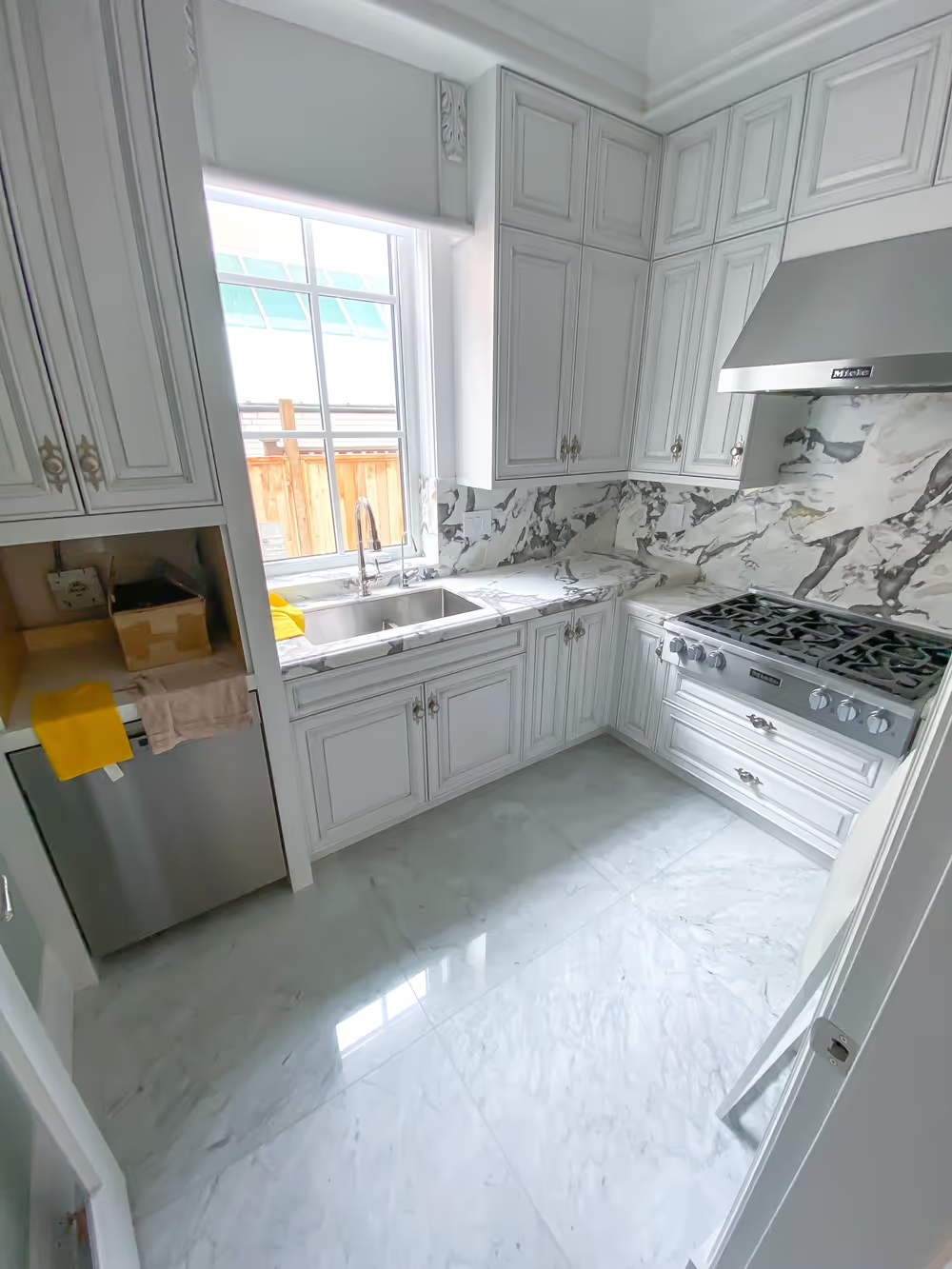
Transform your kitchen with our expert renovation services, delivering a seamless upgrade that blends functionality with modern design.
View Service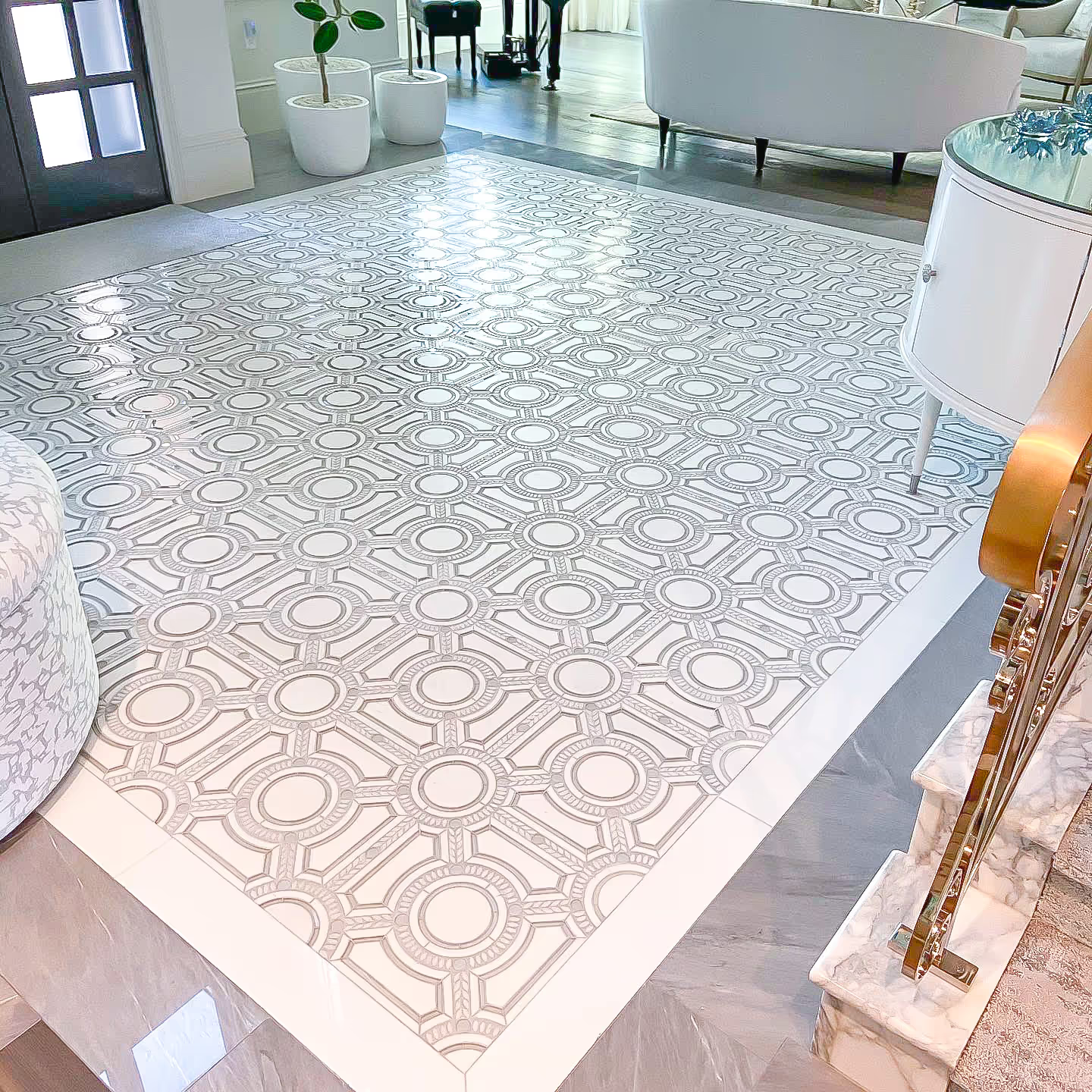
Revitalize your space effortlessly with our skilled flooring installation, ensuring a smooth, stylish upgrade that brings durability and charm to any room.
View Service
Elevate your outdoor ambiance with our expertise, ensuring a seamless, stable installation that adds modern flair to your balcony space.
View Service


