
I Think My Contractor Botched My Tile Job – 7 Red Flags Every Vancouver Homeowner Should Check
Table of Contents
- Introduction: The Sinking Feeling After Installation
- Red Flag #1: The Dreaded Lippage Problem
- Red Flag #2: Hollow or "Drumming" Tiles
- Red Flag #3: Crooked and Inconsistent Grout Lines
- Red Flag #4: Cracking Tiles or Grout Within Days
- Red Flag #5: Water Pooling Instead of Draining
- Red Flag #6: Visible Adhesive or Thinset Issues
- Red Flag #7: Missing or Improper Waterproofing
- Your Rights as a Vancouver Homeowner
- The Cost of Fixing vs. Living With It
- Conclusion: Getting the Job Done Right
Introduction: The Sinking Feeling After Installation
You've just spent thousands of dollars on a beautiful tile installation. The contractor has packed up, handed you the invoice, and driven away. But as you walk across your new floor or examine your freshly tiled shower, something feels... off. Maybe the tiles don't feel level underfoot. Perhaps you notice the grout lines look wonky. Or worse, you hear a hollow sound when you walk across certain areas.
That gnawing feeling in your stomach? It's valid. Poor tile installation is more common than you might think, and in Vancouver's wet climate, a botched tile job isn't just an aesthetic problem – it can lead to serious water damage, mold growth, and structural issues that cost tens of thousands to repair.
Before you panic or accept substandard work as "good enough," you need to know exactly what to look for. Not every imperfection means disaster, but some red flags signal serious problems that need immediate attention. This guide will walk you through the seven most critical warning signs that your contractor may have botched your tile job, along with simple tests you can perform yourself and clear guidance on your rights as a BC homeowner.
Red Flag #1: The Dreaded Lippage Problem
Lippage – when one tile edge sits higher than its neighbor – is perhaps the most obvious sign of poor installation. One of the most noticeable signs of poor tile installation is an uneven surface, where some tiles are higher or lower than others. Run your hand across your tiles. Do you feel edges catching your palm? Do your socks snag when you walk barefoot? That's lippage, and it's not just ugly – it's potentially dangerous.
What Is Acceptable Lippage?
The tile industry has specific standards for acceptable lippage, and these aren't arbitrary numbers – they're based on safety and functionality. For tiles with grout joints 6mm (1/4") or wider, lippage shouldn't exceed 2mm (1/16"). For narrower grout joints, the tolerance is even tighter at just 1mm. Large format tiles (edges longer than 15 inches) are allowed slightly more variation, but never more than 3mm.
Here's the critical part: in Vancouver homes with radiant floor heating, excessive lippage can create hot and cold spots, reducing your system's efficiency and driving up heating costs. It also creates trip hazards, especially problematic for elderly residents or young children.
The Penny Test You Need to Know
Here's a simple test every homeowner should perform: Take a Canadian penny (or any coin) and try sliding it under the raised edge of tiles. If the penny slides under easily, you have excessive lippage. Walk systematically across your floor, testing every few tiles, especially in high-traffic areas and transitions between rooms.
Document problem areas with photos taken at floor level with good side lighting – this will clearly show the shadows created by uneven tiles. Mark problem tiles with painter's tape and number them for reference.
When Lippage Becomes Dangerous
Here's a simple test every homeowner should perform: Take a Canadian penny (or any coin) and try sliding it under the raised edge of tiles. If the penny slides under easily, you have excessive lippage. Walk systematically across your floor, testing every few tiles, especially in high-traffic areas and transitions between rooms.
If you're seeing lippage throughout the installation, the problem likely stems from poor substrate preparation. Your contractor should have leveled the floor before starting. If lippage appears in isolated spots, it might indicate rushed work or improper thinset application.
Red Flag #2: Hollow or "Drumming" Tiles
Walk across your new tile floor. Does it sound solid and consistent, or do some areas produce a hollow, drum-like sound? This "drumming" effect is one of the most serious red flags in tile installation. The hollow-sounding areas could signal several things: the thin-set adhesive could have debonded from the back of the tiles, or the thin-set could have debonded from the substrate.
How to Perform the Tap Test
A simple way to check for the sound in question is to tap on the tiles with a hard object such as a steel ball bearing. Here's the professional method:
- Use a metal object like a coin, key, or ball bearing
- Tap systematically across each tile, starting from the center and working toward edges
- Listen for changes in sound – solid tiles produce a high-pitched "ping" while hollow tiles make a deeper "thud"
- Map out hollow-sounding areas on a floor plan
Don't skip this test just because your tiles look fine. These voids can compromise the structural integrity of the flooring and may lead to further complications such as cracking or detachment if not addressed.
What Hollow Sounds Really Mean
Hollow sounds indicate air pockets or voids beneath your tiles. One of the most common causes of hollow tiles is improper installation. If the adhesive wasn't evenly applied during installation, it creates air pockets between the tile and the substrate. This often results from:
- Spot bonding (applying adhesive in dots rather than spreading evenly)
- Improper trowel technique or wrong trowel size
- Contaminated substrate (dust or debris preventing bonding)
- Incorrect mixing of thinset mortar
- Installing tiles too late after thinset has begun to skin over
In Vancouver's freeze-thaw cycles, these voids fill with moisture. When temperatures drop, that moisture expands, causing tiles to crack or completely detach. What seems like a minor hollow sound today could mean replacing your entire floor next winter.
Industry Standards vs. Real Problems
Professional installation of ceramic tiles in Vancouver typically ranges from $5 to $12 per square foot, making it one of the most budget-friendly options for tile flooring. The ease of cutting and handling ceramic tiles can also make them suitable for confident DIY installers, potentially saving thousands on labor costs for larger projects.
Industry standards require:
- 80% coverage minimum for interior dry areas
- 95% coverage for exterior and wet areas (like Vancouver bathrooms)
- 95% coverage for natural stone installations
- No voids larger than 2 square inches under any single tile
If more than 10% of your tiles sound hollow, or if hollow tiles are concentrated in wet areas, you have legitimate grounds for demanding repairs.
Red Flag #3: Crooked and Inconsistent Grout Lines
Stand at one end of your tiled surface and sight down the grout lines. Do they run straight and parallel, or do they wave like a Vancouver sidewalk after tree root damage? Crooked grout lines aren't just ugly – they're a sign of poor planning and rushed installation.
Acceptable Grout Variations
Professional installations should maintain consistent grout joint widths within 25% variation. For example, if your tiles are supposed to have 3mm grout joints, seeing variations between 2.25mm and 3.75mm is technically acceptable. Anything beyond this range indicates sloppy work.
To avoid this problem, determine how much space you should leave between tiles based on their size. Tile spacers that match that width help you keep consistent spacing between tiles for even grout lines. If your contractor didn't use spacers or ignored them, that's a serious red flag.
The Straight-Edge Test
Here's how to objectively assess your grout lines:
- Get a 6-foot level or straight edge (available at any hardware store)
- Place it along grout lines in multiple directions
- Check for gaps between the straight edge and grout line
- Measure joint widths at regular intervals using a ruler
- Document variations with photos and measurements
Pay special attention to:
- Corners and edges where rushed work often shows
- Transitions between different tiles or rooms
- Cut tiles around fixtures, which require extra skill
Impact on Your Home's Value
In Vancouver's competitive real estate market, buyers and home inspectors scrutinize tile work. Crooked grout lines immediately signal "amateur installation" and can:
- Reduce your home's perceived value by thousands
- Trigger demands for repairs during sale negotiations
- Suggest other hidden problems with the installation
- Make your renovated space look worse than before
Professional installers use layout techniques like the 3-4-5 method to ensure square, straight installations. If your grout lines are visibly crooked, your installer likely skipped these fundamental steps.
Red Flag #4: Cracking Tiles or Grout Within Days
Nothing is more alarming than seeing cracks appear in your brand-new tile installation. While houses settle and materials adjust, cracks appearing within days or weeks of installation are never normal. They indicate fundamental installation failures that will only worsen with time.
Normal Settling vs. Installation Failure
Here's the crucial distinction:
Normal settling might cause:
- Hairline cracks in grout after 6-12 months
- Minor grout discoloration from moisture
- Slight sound changes as materials cure
Installation failure causes:
- Tile cracks within days or weeks
- Grout cracking along entire lines
- Multiple tiles cracking in patterns
- Cracks that continue growing
One common mistake is applying too little adhesive, resulting in inadequate bonding between the tiles and the substrate. This can lead to tiles becoming loose or popping out. When tiles lack proper support, they flex under weight and eventually crack.
Substrate Problems Your Contractor Should Have Fixed
Most tile failures in Vancouver homes stem from substrate issues your contractor should have identified and corrected:
Inadequate subfloor strength: Tile requires a deflection rating of L/360 minimum (L/720 for natural stone). If your contractor installed over a bouncy wood subfloor without reinforcement, cracking is inevitable.
Missing expansion joints: Vancouver's temperature swings cause materials to expand and contract. Without proper expansion joints every 20-25 feet, tiles crack from compression stress.
Improper crack isolation: Existing cracks in concrete slabs will telegraph through tiles unless properly isolated with membrane systems.
Wrong materials for the application: Using wall tiles on floors, or interior tiles outside, guarantees failure in Vancouver's climate.
A competent contractor tests substrate deflection, moisture levels, and flatness before starting. If cracks appear quickly, they likely skipped these critical steps.
Red Flag #5: Water Pooling Instead of Draining
Water should never pool on your tiles, especially in bathrooms and shower floors. Yet this is one of the most common failures in Vancouver installations, where proper drainage is critical for preventing mold and water damage.
Slope Requirements for Vancouver Homes
Building codes are clear about drainage requirements:
Shower floors: Must slope 1/4 inch per foot (2% grade) minimum toward the drain. That means a 3-foot span should drop 3/4 inch.
Bathroom floors: Should slope slightly toward the door or drain to prevent water from pooling against walls.
Outdoor tiles: Require 1/4 inch per foot slope away from the building to prevent foundation water damage.
Balconies and patios: Need 2% slope minimum, with Vancouver's rain requiring careful attention to drainage paths.
Testing Drainage Before It's Too Late
Don't wait for your first shower to discover drainage problems. Test now:
- The marble test: Place a marble or small ball on the floor. It should roll toward the drain or designated drainage area.
- The water test: Pour a cup of water in various spots. Water should flow toward drains within 60 seconds, leaving no standing pools.
- The flood test (for shower pans): Before grouting, contractors should flood-test shower pans for 24 hours to ensure waterproofing integrity. If this wasn't done, you're at risk.
- Check corners and edges: These areas commonly trap water due to improper sloping.
Standing water in Vancouver's humid environment creates perfect conditions for mold growth. Within weeks, you could have dangerous black mold growing under tiles, requiring extensive remediation costing $5,000-$15,000.
Red Flag #6: Visible Adhesive or Thinset Issues
Look closely at your grout lines and tile edges. Do you see adhesive oozing up through grout joints? Are there hollow pockets where adhesive is missing? These visible signs indicate serious installation problems that compromise your entire tile system.
Spot Bonding: The Hidden Disaster
You should never lay tiles with dot and dabs of adhesive, as not only does this leave weak spots behind the tiles, it causes issues when trying to level tiles properly. Spot bonding (also called "five-spotting") is when installers apply adhesive in dots rather than spreading it evenly.
This shortcut method:
- Reduces coverage to 20-40% instead of required 80-95%
- Creates weak points that crack under load
- Leaves voids for moisture infiltration
- Violates all industry standards and building codes
If you can see evidence of spot bonding (uneven adhesive in removed tiles or obvious void patterns), your installation is fundamentally compromised and likely needs complete replacement.
Coverage Requirements by Code
Professional installations must meet specific coverage standards:
Interior dry areas: 80% minimum contact between tile and substrate Wet areas (showers, tub surrounds): 95% minimum coverage Exterior installations: 95% coverage required Natural stone: 95% coverage to prevent staining and cracking Large format tiles (15"+ edges): 95% coverage with medium-bed mortar
Your contractor should have back-buttered tiles (applied adhesive to both substrate and tile back) for maximum coverage. If they didn't, you're looking at premature failure.
Red Flag #7: Missing or Improper Waterproofing
This might be the most critical issue for Vancouver homes, yet it's completely invisible once tiles are installed. Improper waterproofing doesn't show problems immediately – but when it fails, it fails catastrophically with mold, rot, and structural damage.
Vancouver's Moisture Requirements
Our city's 1,200mm annual rainfall and high humidity demand exceptional waterproofing:
Shower installations require:
- Waterproof membrane on all walls to 6 feet height minimum
- Properly sealed corners and transitions
- Flood-tested shower pan before tile installation
- Vapor barriers behind cement board
Bathroom floors need:
- Waterproofing membrane extending 6 inches up walls
- Sealed penetrations around toilets and fixtures
- Proper substrate (never regular drywall in wet areas)
Outdoor installations require:
- Drainage mat systems for decks and balconies
- Freeze-thaw resistant setting materials
- Proper slope and weep holes
How to Check for Waterproofing
Without tearing up tiles, here's how to investigate:
- Look for membrane edges: Check where tile meets untiled walls – you should see waterproofing membrane edges.
- Moisture meter testing: Rent or buy a moisture meter. Test walls adjacent to tiled areas. Readings above 15% indicate moisture infiltration.
- Infrared inspection: For $300-500, thermal imaging can reveal moisture problems before visible damage appears.
- Check the invoice: Waterproofing materials (RedGard, Kerdi, etc.) should be itemized. Missing? It might not be installed.
Missing waterproofing in Vancouver's climate is like building a boat without sealing the hull. It's not a matter of if it will fail, but when – usually within 2-5 years, causing damage worth $10,000-$50,000.
Your Rights as a Vancouver Homeowner
Discovering your tile installation is substandard doesn't mean you're powerless. British Columbia has specific protections for homeowners, and understanding your rights is crucial for getting problems resolved.
BC's Home Warranty Requirements
In British Columbia, new home construction and major renovations are covered by mandatory warranty insurance:
For new homes:
- 2 years coverage for materials and labor (including tile installation)
- 5 years for building envelope (waterproofing issues)
- 10 years for structure
For renovations:
- Contractors should provide minimum 1-year warranty on labor
- Material warranties vary but typically 1-25 years
- Written contracts over $500 are legally required
If your contractor is licensed and insured (as required in many Vancouver municipalities), their insurance should cover installation defects. Unlicensed contractors leave you with fewer protections but not without options.
Documentation Strategies That Work
Courts and insurance companies need evidence. Here's what works:
Immediate documentation:
- Photograph every defect with a ruler for scale
- Video walk-throughs with narration
- Create a written defect list with dates discovered
- Keep all contracts, invoices, and communication
Professional documentation:
- Hire an independent tile inspector ($500-$1,000)
- Get written reports from other contractors
- Document repair estimates from multiple sources
- Record any water damage or safety hazards
Communication trail:
- Email concerns to contractor (avoid phone-only talks)
- Send registered letters for serious issues
- Give reasonable opportunity to remedy (typically 30 days)
- Document all repair attempts and outcomes
When to Call a Lawyer
Consider legal consultation if:
- Damage exceeds $10,000
- Contractor refuses communication
- Safety hazards exist (trip hazards, mold)
- Multiple failed repair attempts
- Contractor is unlicensed/uninsured
Small claims court in BC handles disputes up to $35,000 – often sufficient for tile installations. The Civil Resolution Tribunal handles many construction disputes online, making the process faster and less expensive than traditional court.
The Cost of Fixing vs. Living With It
Faced with a botched tile job, you have three options: demand the contractor fix it, hire someone else to repair it, or live with the problems. Each choice has financial and practical implications for Vancouver homeowners.
Repair Cost Breakdown
Minor fixes ($500-$2,000):
- Regrouting sections
- Replacing individual cracked tiles
- Fixing small lippage areas
- Correcting minor drainage issues
Moderate repairs ($2,000-$10,000):
- Replacing sections with hollow tiles
- Fixing widespread lippage problems
- Correcting substrate issues in small areas
- Adding proper waterproofing to walls
Complete replacement ($10,000-$30,000+):
- Full tear-out and reinstallation
- Substrate replacement/reinforcement
- Proper waterproofing throughout
- Potential mold remediation
Remember: in Vancouver's real estate market, visible tile problems can reduce your home's value by $20,000-$50,000 or kill deals entirely. The cost of proper repair often pays for itself in maintained property value.
Living With Problems: Hidden Costs
Choosing to live with substandard tile work costs more than you might think:
Ongoing maintenance:
- Annual grout repairs ($300-$500)
- Frequent deep cleaning for uneven surfaces
- Regular mold treatment in poorly waterproofed areas
Accelerated replacement:
- Proper installation lasts 20-50 years
- Botched jobs fail in 3-7 years
- Emergency replacement costs 30% more than planned renovation
Health and safety:
- Mold exposure health issues
- Trip and fall injuries (especially for elderly)
- Increased homeowner insurance premiums after claims
Utility costs:
- Poor installation affects radiant heating efficiency
- Water damage increases heating/cooling costs
- Moisture problems require constant dehumidification
For most Vancouver homeowners, fixing problems properly now costs less than managing ongoing issues and inevitable early replacement.
Conclusion: Getting the Job Done Right
Discovering that your expensive tile installation is substandard feels overwhelming and frustrating. You trusted a professional with your home and your money, and they let you down. But you don't have to accept poor workmanship or live with the consequences of a botched job.
The seven red flags we've covered – lippage, hollow tiles, crooked grout lines, cracking, drainage problems, adhesive issues, and missing waterproofing – are clear indicators that demand action. If your tiles are crooked or uneven, or otherwise seem poorly installed, or you are dealing with other types of flooring faults, contact an experienced tile installer to come give them a look.
Armed with the knowledge from this guide, you can:
- Objectively assess your installation using industry standards
- Document problems professionally for insurance or legal purposes
- Understand your rights under BC law
- Make informed decisions about repairs vs. replacement
- Protect your investment and your family's health
Most importantly, remember that quality tile installation is achievable. There are skilled, professional contractors in Vancouver who take pride in their work and stand behind it with proper warranties.
If you're facing tile installation problems or planning a new project and want to ensure it's done right the first time, trust the experts who understand Vancouver's unique challenges. At VPV Luxury Tiles, we specialize in premium tile installation that meets the highest industry standards. Our experienced team provides detailed documentation, proper waterproofing, and warranties you can rely on.
Don't let a botched tile job diminish your home's value and your peace of mind. Visit VPV Luxury Tiles to learn how professional installation makes all the difference. We're here to help Vancouver homeowners get the beautiful, durable tile installations they deserve – done right the first time.
Fill in your info below, and we’ll get back to you within 48 hours.
other services
Discover our range of supplementary services to complement your tiling project.
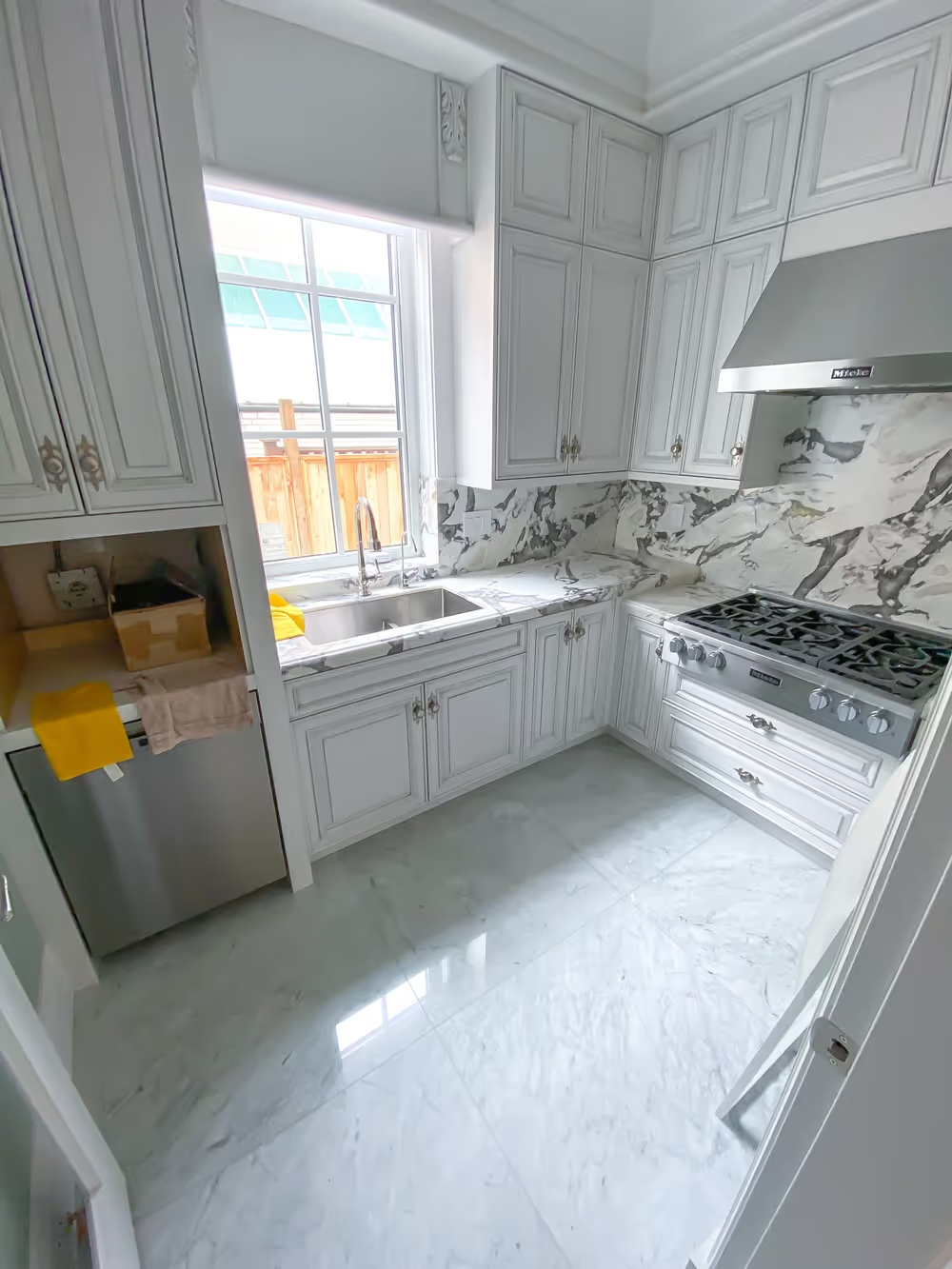
Transform your kitchen with our expert renovation services, delivering a seamless upgrade that blends functionality with modern design.
View Service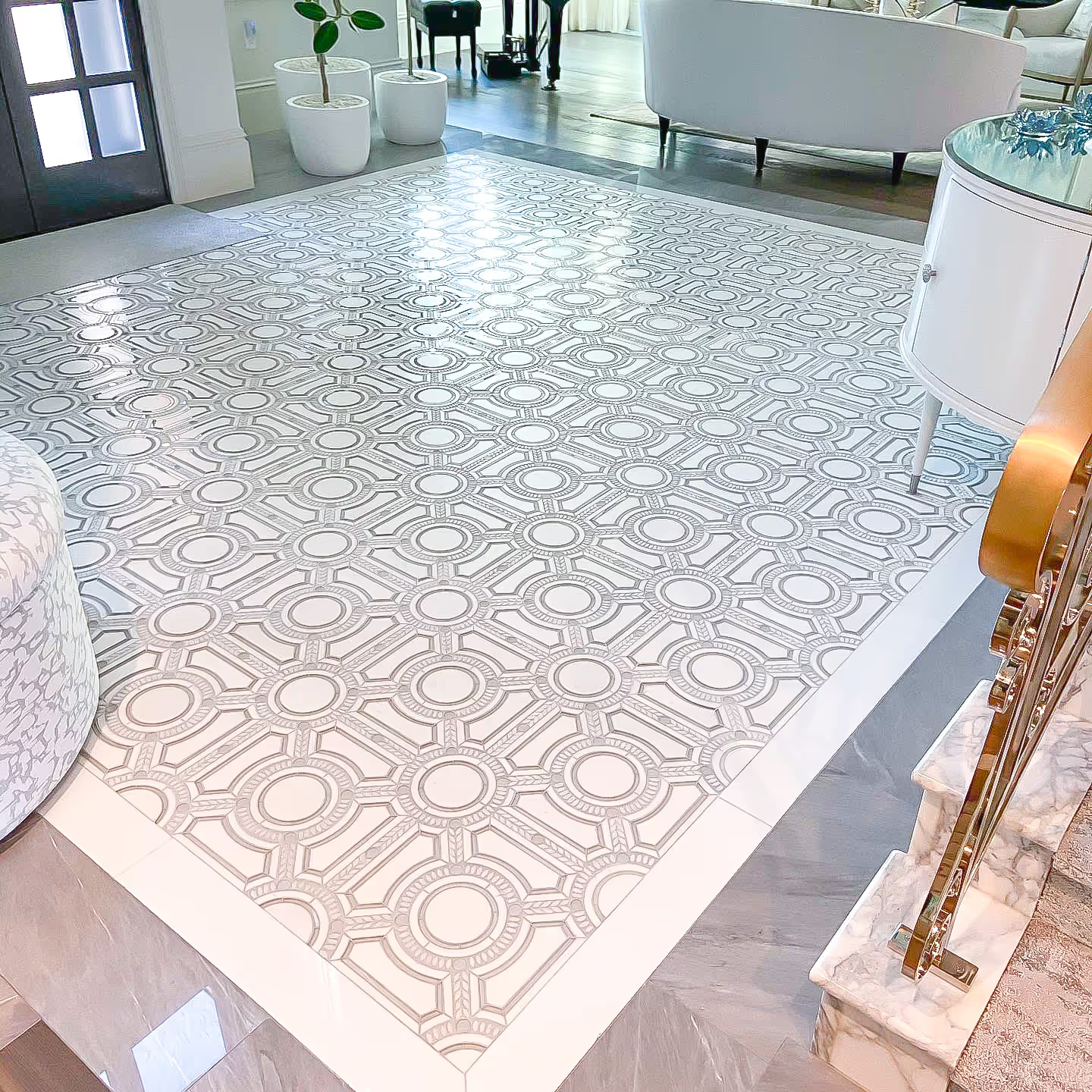
Revitalize your space effortlessly with our skilled flooring installation, ensuring a smooth, stylish upgrade that brings durability and charm to any room.
View Service
Elevate your outdoor ambiance with our expertise, ensuring a seamless, stable installation that adds modern flair to your balcony space.
View Service


